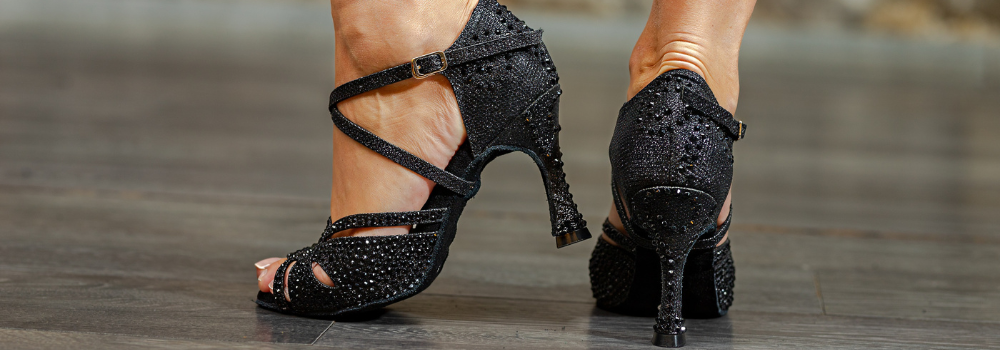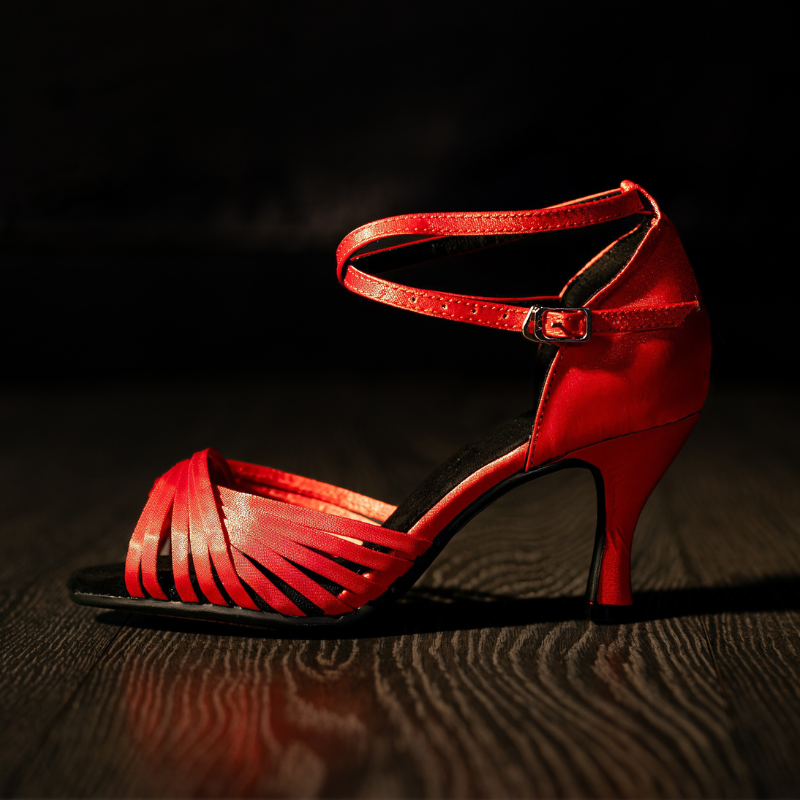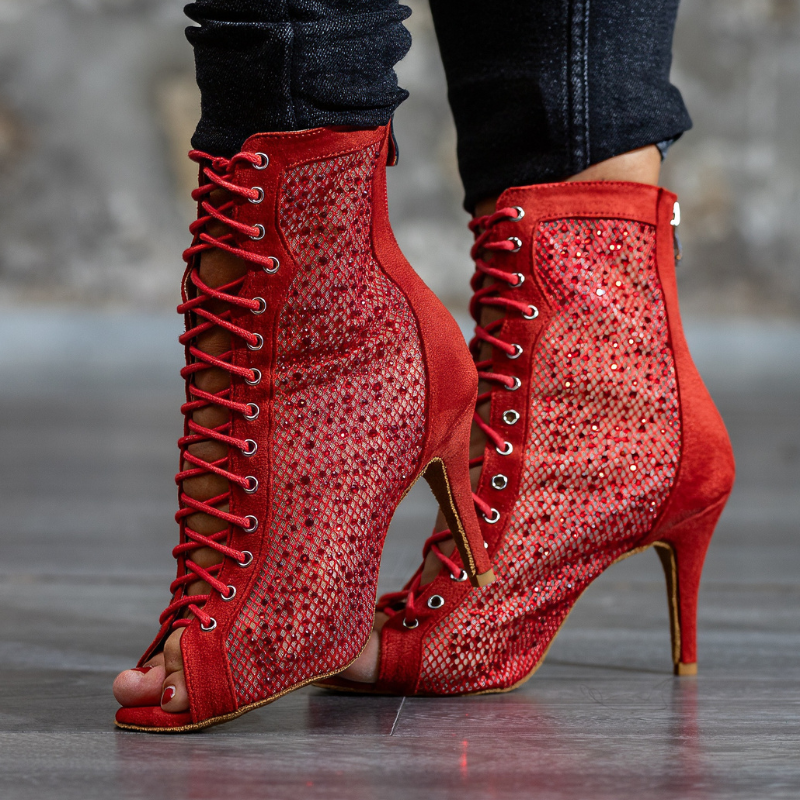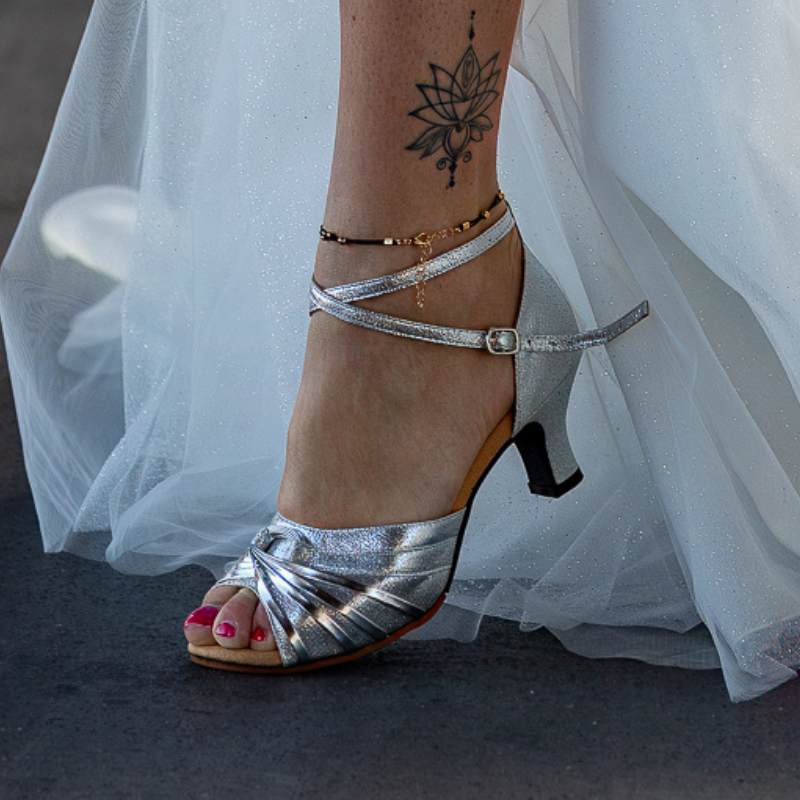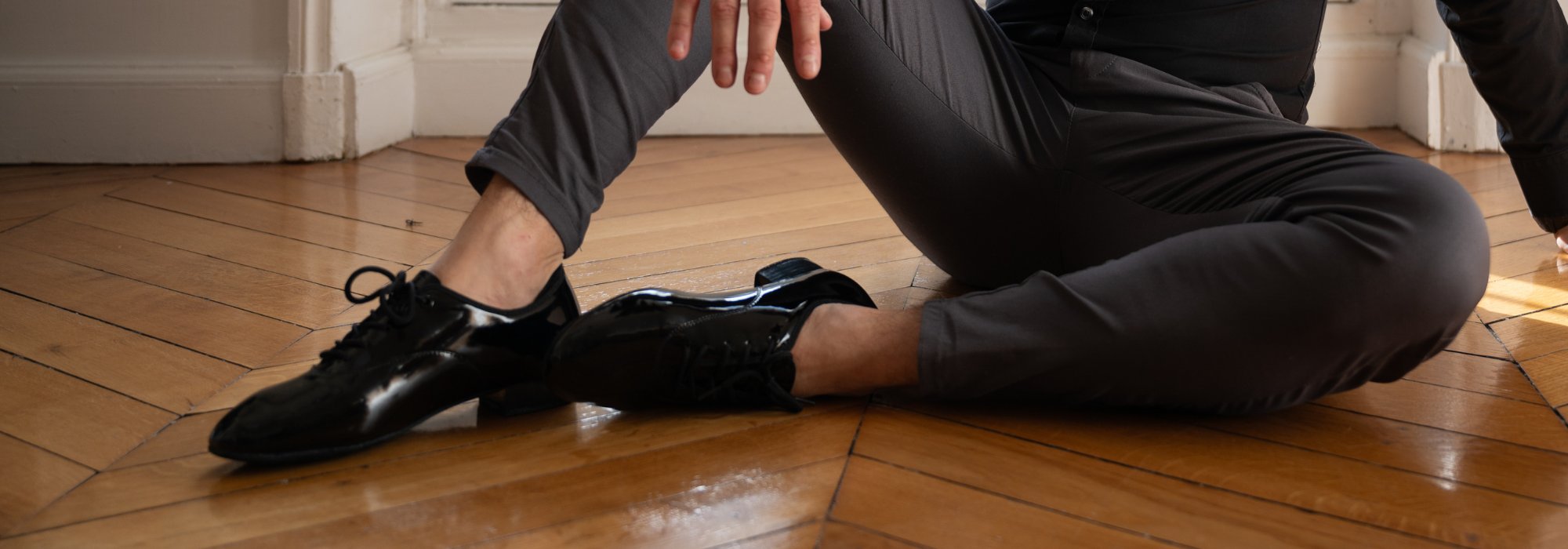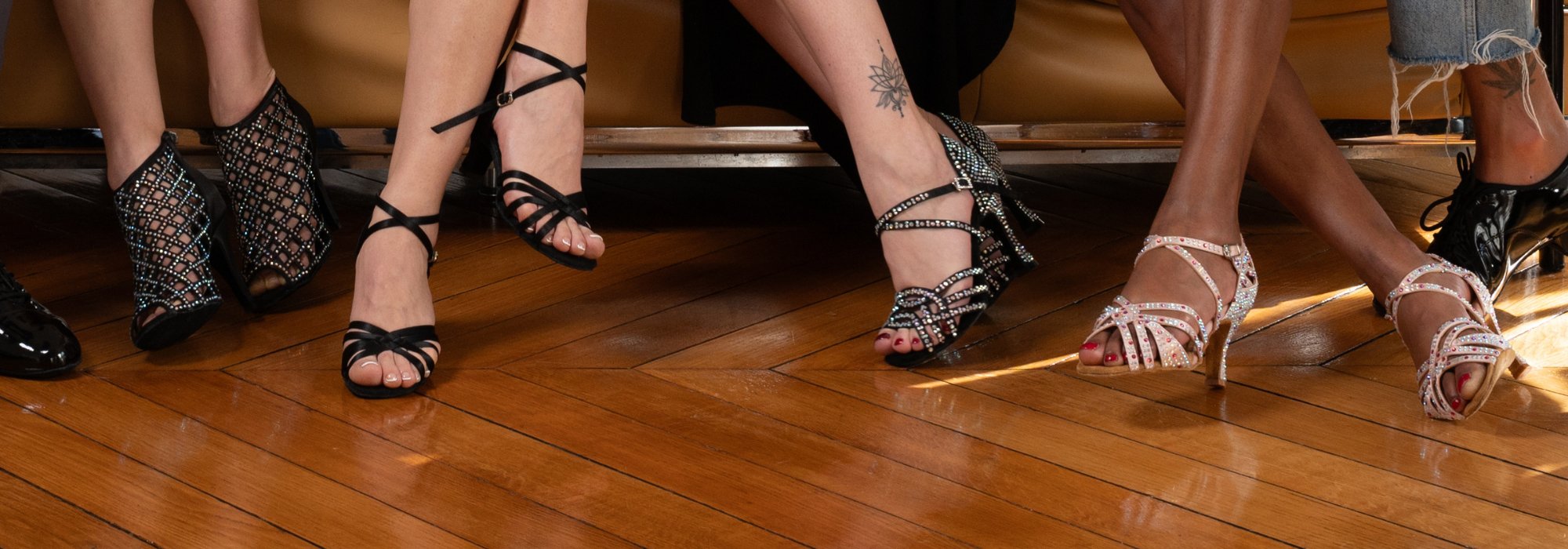
Which sole to choose to dance rock without loss of grip?
If you are passionate about rock and want to turn on the track without fear of the slide, you have already asked yourself the question of the choice of the ideal sole. In the world of dance shoes, the rock shoes sole - whether in Sweden, leather or all floors - is never a trivial detail: it is the base of your freedom of movement, your technique and even your comfort. But between graceful sliding and controlled outfit on the parquet floor, it is easy to get lost. Discover in this article all the secrets to select the sole that will serve your style without sacrificing adhesion, comfort or performance, and propels your rock dance to another level.
Why does the sole make all the difference in rock dance?
The subtle alliance between sliding and adhesion
Rock is an energetic dance where precise feet, sudden changes of direction and fast pivot requires a perfect grip. The sole of your rock shoes acts as a conductor of sliding and adhesion on the parquet. Too much friction, you feel slowed down. Too much sliding, balance flickers and technique suffers. Without forgetting security and confidence on each support!
- To turn well: the right sole must allow fluid pivots.
- To pass on all floors: avoid accidentally sliding off-piste.
- For technique and comfort, nothing should hinder your movements.
The central place of the rock shoes sole in performance
An adapted sole allows you to express yourself fully, with the accuracy of your supports and the freedom of your weight transfers. It also promotes endurance of the foot during intensive practices or marathon evenings. This is the solid base of your pleasure ... and your progress!
The different types of soles: Sweden, all floors ... and their impact
The Sweden sole, star of the parquet floors
The Sweden sole - also called buffalo or suede sole - is the choice of predilection in many rock schools and evenings. Soft to the touch, this sole perfectly marries the parquet for a moderate and mastered slide. You feel each movement of the ground under your foot, ideal for anchors and precise pivots.
- + Elegant slide on classic parquet
- + Excellent grip for fast techniques
- - Sensitive to humidity or abrasive soils: avoid it outside!
The soles all soils: the versatile solution
If you dance so much in the evening, in various rooms or even outside, the sole all soil (often synthetic, microfiber or technical gum) is your best ally. She offers you a compromise between controlled sliding and grip, even on tiles or bitumen. Perfect for festivals or improvised days!
- + Adapted to all types of floors (parquet, concrete, tiles, etc.)
- + Easy maintenance
- - Slight loss of subtlety on parquet compared to Sweden
Focus on sliding: find the point of balance
Slide like on a wave ... without losing foot
The perfect sliding feeling on the parquet floor is like surfing a wave at the right height: too much, you have done it; Not enough, you no longer advance. The Sweden sole remains for that the queen, but could be adjusted according to the interview that you bring to her.
- For more sliding: brush less your suede sole and avoid humidity
- To "brake" the slide: cleanse and brush carefully, or choose a sole all floors
Some tips for modulating the slide
Depending on the state of the parquet or fatigue, you can play on sliding with small tips: a special metal brush Sweden allows you to rekindle the hook, while a suspicion of talc (on leather sole) can make it more slippery. On all floors sole, versatility is paid for by fewer fine settings.
Adherence: the secret of a clean and dynamic technique
Perfect hang, maximum confidence
To chain passes, wear your lead or follow -up, you must be able to count on the grip of your sole. The microfissures of the Sweden sole or the non -slip composition of the soles all soils guarantee this grip.
- Always test your shoes on a traiging corner before getting started
- Runs too smooth or worn soles: risk of falling and loss of confidence assured
Watch out for current errors
We often see beginner dancers carry sneakers or city heels to dance rock. Bad idea! The thick "fitness" sole flu, breaks the pivots and stifles the foot. Conversely, the city soles offer no hooks on a smooth parquet floor.
Comfort and maintenance: sensations in the service of endurance
The fit, flexibility and cushioning
In addition to the material of the sole, thinks of the overall comfort: the shoe must marry your foot without compressing it, authorize a slight flexion, and propose a sufficient cushioning, especially in the event of an intensive practice. Good support prevents fatigue and prevents injuries.
- Favor a fitting at the end of the day, when the foot is hot
- Tests flexibility by raising the tip of the foot
The insole and the thickness
The outsole is crucial, but does not forget the insole: for unrivaled comfort, some rock shoes offer a thin memory foam or a slight support of a plantar vault. You will really feel the difference during dancing marathons!
Adapt your sole to each environment: from parquet to street
Distinguish needs according to the track
An evening in a beautiful ballroom does not require the same shoe as a rock’n’roll concert outside or an internship in a multi-sport room. Make the right choice according to the place:
- Dry and classic parquet: ideal suede sole
- Versatile floors, tiles, bitumen: sole all floors
- On the move: provides two pairs to never be caught off guard
The importance of transport and maintenance
If you opt for Sweden soles, invested in a personal cover and changes shoes before and after the dance to preserve the state of the soles. A simple accessory that extends the life of your shoes!
Maintain your sole for lasting sensations
Essential gestures on a daily basis
Nothing worse than a dirty and sticky sole: the feeling of hanging, sticking ... To keep a perfect slide, regularly brushes the Sweden sole with a special metal brush. For leather or soles, a slightly damp cloth is enough.
- Avoid walking outside with your dance shoes
- Put them in a dry and ventilated place
Anticipate wear and know how to renew
Replace the first signs of wear (smooth sole, collapsed edges, loss of grip). If you dance several times a week, a replacement per year is sometimes necessary. A good interview is the promise of dozens of hours of fun on the track.
Test and choose: Personalized tips to find shoe at your foot
No test, no miracle!
A rock shoe is full on the track, not just static. Walk, pivot, jump: the feeling will be your best guide. If you hesitate between Sweden sole or all floors, ask a teacher advice or come and try in the store (our Salsanueva team loves to share its tips!)
- Essential to try with your usual socks or tights
- Leave 1 to 2 mm in front of your toe to unfold the foot during jumps
Vary according to your practice and your level
Beginner, prefers safety with a less slippery sole. Dancer confirmed, you can choose the precision of Sweden to work technical and musicality on parquet. The goal: to find your magic, the one that makes you vibrate from the first step.
Zoom on Salsanueva models Shop : rock soles for each requirement
Shoes thought by and for demanding dancers
At the house of Salsanueva Shop, each model of rock shoes is designed in close collaboration with our dance school in Paris. Precise suede sole, sole all robust soils or hybrid models: everyone will find the model at their foot. Also discover our Dance Shoes Maintenance Guide To prolong your sensations.
FAQ - Frequent questions
What is the difference between a Sweden sole and an all soil sole for rock?
The Sweden sole offers optimal sliding on dry parquet and promotes the precision of movements. The sole all floors, on the other hand, is more versatile: it hangs well on different types of soil and requires less maintenance, ideal for dancer (se) which often move.
Can we dance rock with any shoe?
No, it is strongly advised to use specific dance shoes. Sneakers or city shoes do not offer gliding or controlled adhesion required, and can cause injury or limit the technique.
How to maintain a Sweden sole?
Brush your Sweden sole regularly using a specific metal brush. Avoid moisture and do not walk outside with your shoes to preserve their skiing and adhesion properties on the parquet.
What type of sole favor to start rock?
To start, an all -sole sole is often an excellent compromise: it offers a good grip on all types of surfaces and limits the risk of sliding if you discover the technique of pivots or legs of legs.
Do you have to have several pairs of shoes if you dance on different floors?
Yes, it is recommended. A pair for the parquet (Sweden sole) and one for various floors or the exterior (sole all floors) will allow you to be comfortable in each context and preserve your shoes longer.
How do you know when to change your soles or dance shoes?
As soon as you feel a loss of grip, a sole too smooth or distorted, or if you feel less comfort or safety, it's time to replace your shoes. Good maintenance extends their lifespan, but it does not replace regular renewal to avoid injury.
Are the leather soles adapted to all rock dancers?
The leather soles are especially suitable for experienced dancers who master the management of skiing. For beginners or fans of the waxed prosecution, it is better to opt for Sweden or the soles all soils to start without stress.
Discover our models of rock shoes, Sweden sole, sole all floors available on our Salsanueva online store Shop, Thoughts for demanding dancers.